Seven Years Later: The Rise, Struggles, and Future of Apex Legends
By Osama Bashir | March 11, 2026
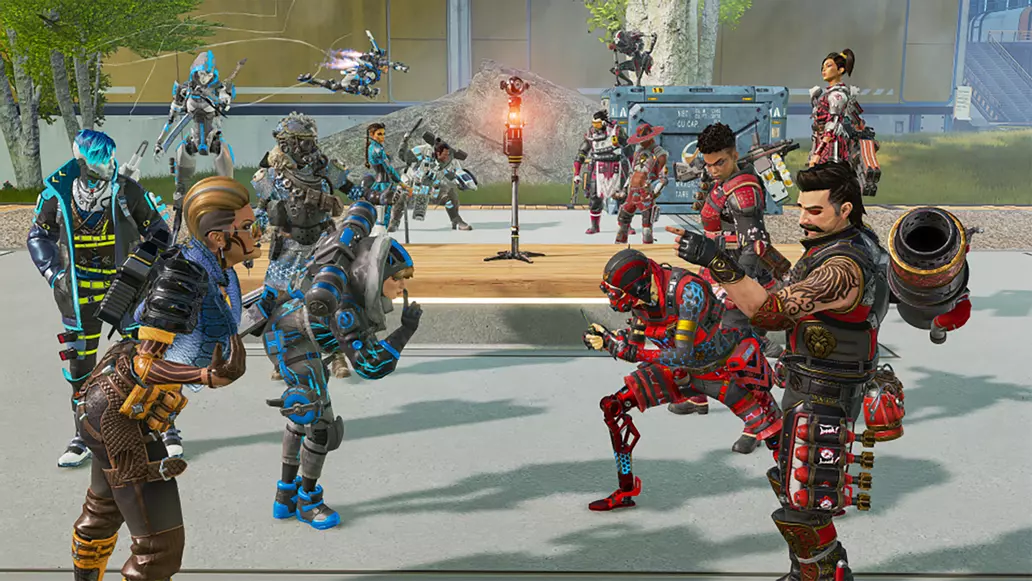
When Apex Legends launched in 2019, it didn’t just enter the battle royale genre — it redefined it.
Fast movement. Tactical teamwork. Unique heroes called Legends.
Within weeks, millions of players were dropping into Kings Canyon, chasing the thrill of the last squad standing.
Fast forward to today, and the story of Apex Legends is no longer just about explosive growth. It’s about survival, adaptation, and the challenge of keeping a seven-year-old live-service game relevant in a rapidly evolving gaming industry.
So where does Apex Legends stand today?
Let’s take a deep dive into the current state of Apex Legends in 2026.
The Rise That Changed Battle Royale
The success of Apex Legends was almost mythical.
Respawn Entertainment launched the game without any marketing campaign, relying entirely on surprise and word of mouth. Within days, millions joined the fight.
Its formula worked because it solved problems other battle royale games struggled with:
-
A ping system that allowed communication without voice chat
-
Hero-based abilities that created tactical depth
-
Fluid movement and gunplay inspired by Titanfall
-
Fast-paced squad combat
Over time, the game introduced:
-
New Legends
-
New maps
-
Limited-time modes
-
Seasonal battle passes
-
Expanding lore and events
By 2021, the game had already surpassed 100 million players worldwide, cementing its place among the biggest multiplayer games ever created.
But maintaining momentum in a live-service game is far harder than launching one.
Player Numbers: A Game Still Alive, But No Longer Dominant
Apex Legends is far from dead — but it’s also no longer at its peak.
Steam player data shows that the game once reached over 624,000 concurrent players at its all-time peak in 2023, a massive milestone for the title.
However, the numbers have gradually declined since then.
In 2024 alone, the game reportedly lost around 70% of its Steam player base, dropping from nearly 470,000 players early in the year to roughly 140,000 by the end.
Despite the decline, Apex still maintains a strong presence:
-
Around 70k–100k concurrent players on Steam regularly
-
Roughly 200k daily players across platforms
-
Millions of monthly players including console users
In other words:
Apex Legends is no longer exploding — but it’s still standing.
And in the live-service world, survival itself is a victory.
Content Updates: Slower but Still Evolving
One of the biggest criticisms from the community in recent years has been the pace of content updates.
Earlier seasons delivered:
-
Multiple new Legends per year
-
Weapons and map expansions
-
Major gameplay innovations
But more recent years saw slower updates, sometimes including only one new Legend in an entire year and limited new weapons.
Still, Respawn continues to experiment with changes to keep the game fresh.
Recent seasons have introduced:
-
New modes like Wildcard, allowing squads to pick the same Legend for chaotic gameplay
-
Tactical gameplay changes and character reworks
-
Seasonal mechanics that alter how fights unfold
These updates show that the developers are still trying to reignite the spark that once made Apex unstoppable.
Community Sentiment: Passion, Frustration, and Loyalty
Few games have a community as passionate — or as critical — as Apex Legends.
The current mood among players can be summarized in three words:
Love. Frustration. Hope.
Common concerns among players include:
-
Increasing monetization and expensive cosmetics
-
Limited new gameplay content
-
Balance issues with certain Legends
-
Bugs or technical problems in new seasons
Yet despite these criticisms, something fascinating keeps happening.
Players keep coming back.
Why?
Because at its core, Apex Legends still offers something few games can replicate:
The feeling of a perfectly executed squad fight.
The movement, gunplay, and hero abilities still create a gameplay loop that many consider the best in the battle royale genre.
The Competitive Scene and Esports
Apex Legends continues to maintain a strong esports ecosystem.
The Apex Legends Global Series (ALGS) still draws thousands of competitors and large audiences online.
Competitive play helps keep the game relevant by:
-
Maintaining high-level skill expression
-
Creating esports storylines
-
Showcasing the game’s depth
For many players, Apex isn’t just a casual shooter.
It’s a competitive obsession.
The Biggest Challenge: Attracting New Players
Perhaps the biggest challenge Apex faces today isn’t retaining old players.
It’s bringing in new ones.
After seven years, the game has:
-
Dozens of Legends
-
Complex map rotations
-
Advanced movement mechanics
-
A steep learning curve
For newcomers, jumping into Apex can feel overwhelming compared to simpler shooters.
Respawn has attempted to solve this with:
-
Bot training modes
-
Simplified loot systems
-
Beginner-friendly tutorials
Whether these changes will successfully grow the player base remains to be seen.
The Future of Apex Legends
Despite the challenges, Apex Legends still has several advantages:
-
One of the best movement systems in FPS games
-
A loyal player community
-
Strong brand recognition
-
Developer support from Respawn and EA
The future likely depends on big changes rather than small updates.
Many fans believe the game may eventually need something like:
-
A major “Apex 2.0” overhaul
-
A new engine or graphics upgrade
-
Massive gameplay innovations
Because the reality is simple:
Battle royale games don’t survive by standing still.
They survive by evolving.
Final Thoughts
Apex Legends in 2026 is a game in a fascinating place.
It’s no longer the unstoppable phenomenon it once was — but it’s far from finished.
Instead, it exists in a middle stage many live-service games reach:
Past the hype, but still powered by passionate players and unmatched gameplay.
And as long as squads keep dropping into the arena, chasing that perfect clutch victory…
Apex Legends will remain part of the battle royale conversation.