The Rise of Indie Psychological Horror Games (And Why Players Love Them)
By Osama Bashir | March 10, 2026
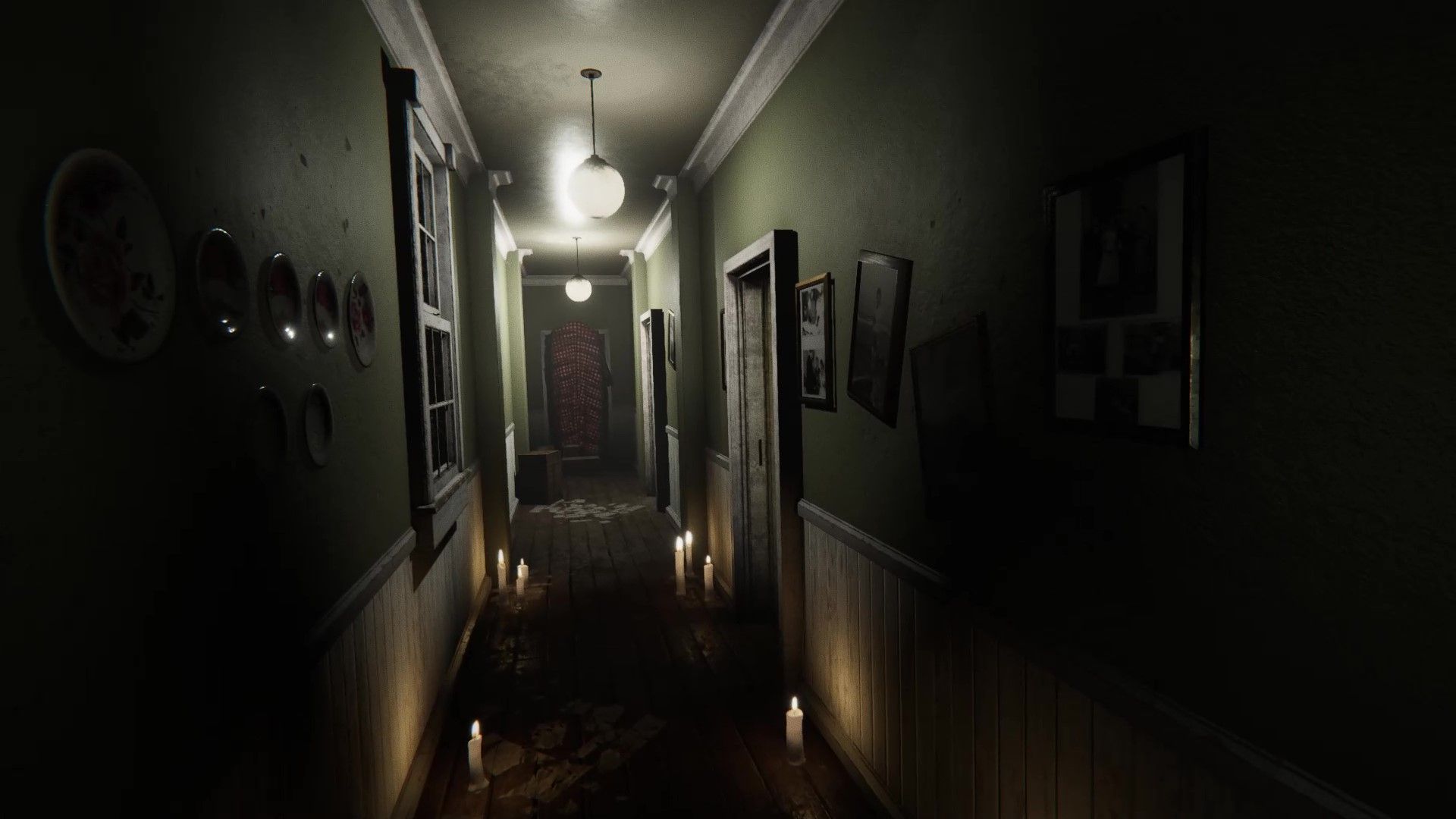
Most gamers assume the scariest experiences come from big-budget horror titles packed with cinematic visuals, jump scares, and massive marketing campaigns.
But in recent years, something unexpected has happened.
The games that leave players staring at a dark hallway, heart racing and headphones clenched tight, often come from tiny indie studios — sometimes even a single developer working alone.
And somehow, these smaller games feel far more terrifying.
Fear Works Best in Silence
AAA horror games often rely on spectacle.
Explosions, scripted jump scares, dramatic music cues, and complex monster designs dominate the experience. They look impressive, but they also reveal too much.
Indie horror developers take the opposite approach.
They use silence, emptiness, and ambiguity.
Instead of telling players exactly what is happening, they let the imagination do the work — and the human brain is incredibly good at inventing its own horrors.
A creaking floorboard.
A flickering light.
A hallway that feels just a little too long.
In indie psychological horror, fear doesn’t scream at you.
It whispers.
Simplicity Creates Tension
Another reason indie horror works so well is its simplicity.
Without massive teams or budgets, indie developers often strip their games down to the essentials. No huge HUDs. No complex mechanics. Just the player, the environment, and the unknown.
This minimalist design forces players to focus on subtle details.
A shadow that wasn’t there before.
A door that slowly swings open.
A radio that suddenly crackles with distorted sound.
When the game world is quiet and simple, every tiny change becomes suspicious — and tension builds naturally.
The Power of Psychological Fear
Many indie horror games rely less on monsters and more on psychological dread.
Instead of being chased constantly, players experience something more unsettling: the feeling that something is wrong, but they can’t explain why.
Rooms loop back on themselves.
Objects move when you're not looking.
Voices appear in places where no one should be.
This type of horror doesn’t disappear when the game ends. It lingers in the player’s mind long after they’ve turned off their computer.
Creative Freedom Breeds Strange Ideas
Large studios often follow formulas. They have investors, deadlines, and expectations to meet.
Indie developers, on the other hand, have freedom.
That freedom allows them to experiment with unusual mechanics and storytelling methods that bigger companies might avoid.
Some indie horror games blur the line between game and experience.
Others intentionally break the fourth wall, making players question whether the game is manipulating them.
And sometimes, the scariest idea is simply letting players feel alone.
Atmosphere Over Graphics
One of the most surprising truths about horror games is that realistic graphics aren’t necessary to create fear.
Some of the most unsettling indie horror games use pixel art, retro textures, or low-poly models reminiscent of early PlayStation titles.
But these visual styles actually make things creepier.
The imperfections, rough edges, and strange lighting create an uncanny atmosphere that feels unpredictable and surreal.
It’s not about realism.
It’s about mood.
Why Players Keep Coming Back
Indie psychological horror games have carved out a loyal fanbase because they deliver something unique: personal fear.
Instead of cinematic horror designed for everyone, these games often feel intimate — like a strange nightmare crafted just for the player.
Every creak, shadow, and whisper pulls you deeper into the experience.
And once players discover that kind of fear, they start seeking it out again.
Not because they enjoy being scared.
But because the best horror games remind us how powerful imagination really is.